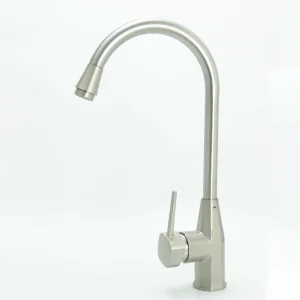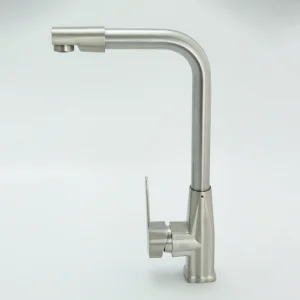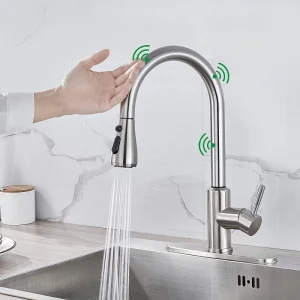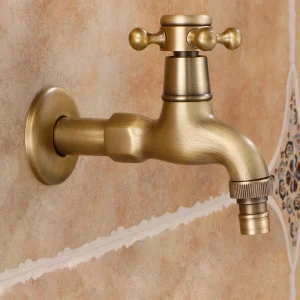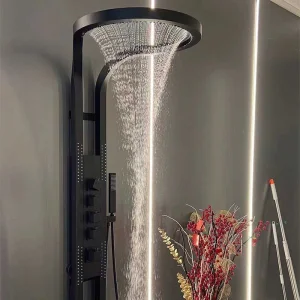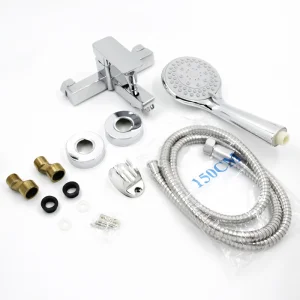
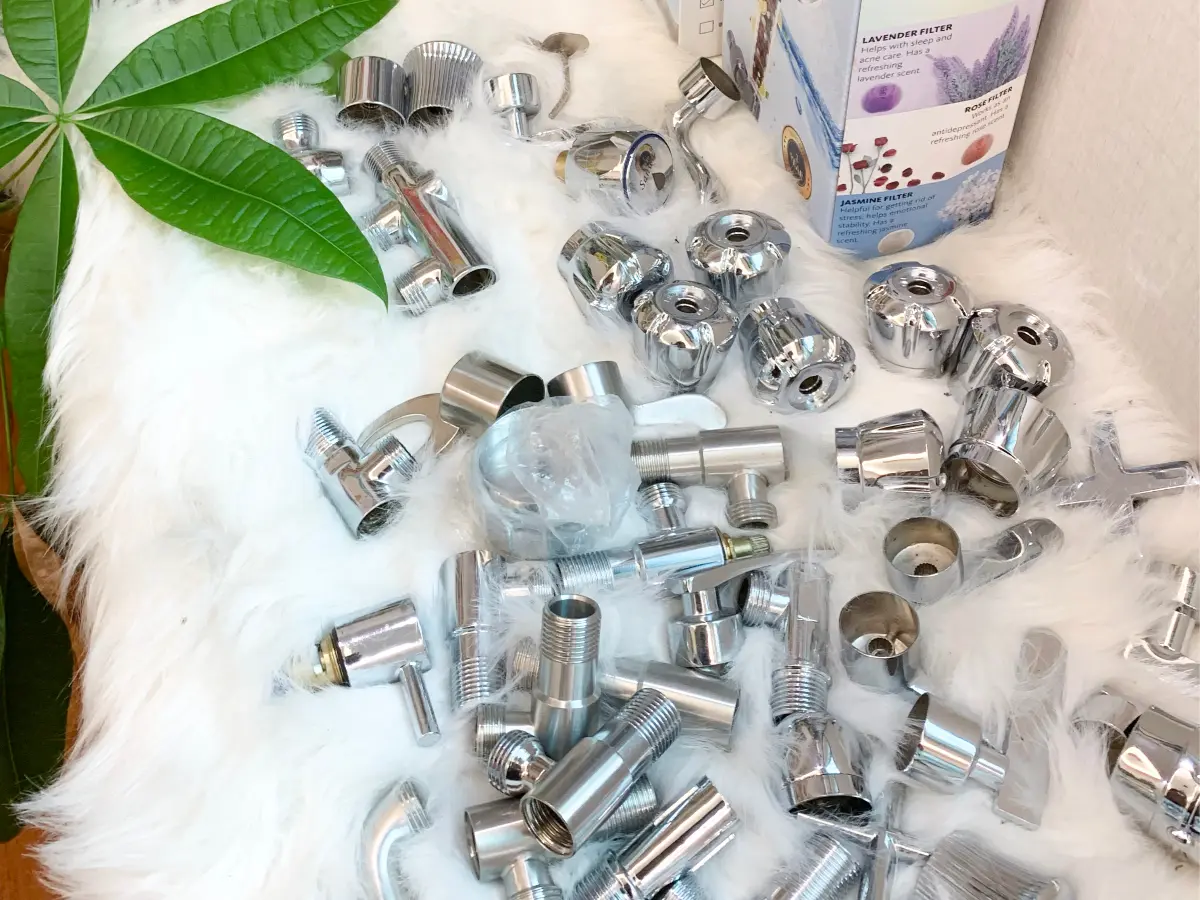
Explore our flagship designs engineered for commercial, residential, and heavy industrial piping frameworks.
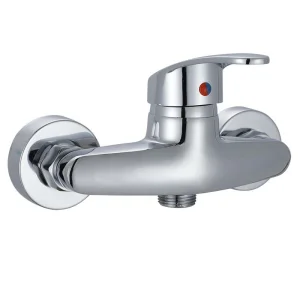
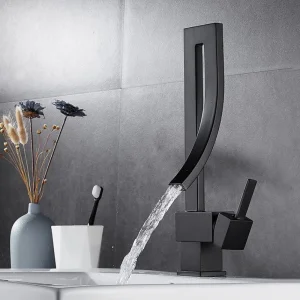
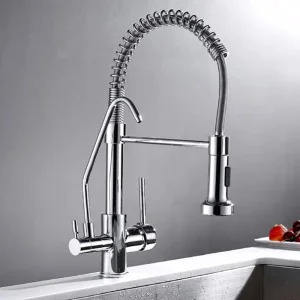
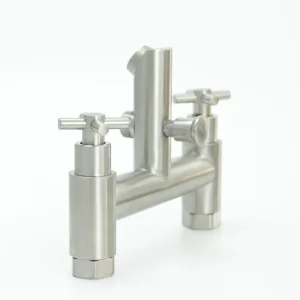

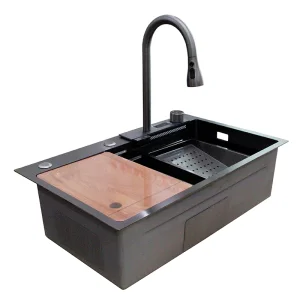
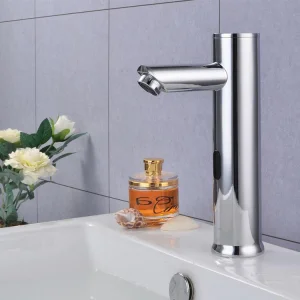
Within the global fluid handling and plumbing architecture landscape, the Double Bibcock (commonly known as a dual-outlet hose tap or twin-valve faucet) represents a pivotal component in optimization. Industrial operations, municipal utilities, and large-scale residential complexes increasingly require valving systems that provide multi-outlet functionality from a single supply header. This dual-flow control significantly minimizes wall penetration points, limits overall piping configuration costs, and mitigates leakage vectors in critical infrastructure designs.
Historically, systems design required separate lines for utility feeds and independent cleaning hoses. The modern engineering paradigm combines these requirements through precision-cast double bibcocks. By deploying independent ball valves or ceramic disc cartridges within a single forged brass housing, projects maintain high structural integrity while gaining versatile operation. This dual functionality is vital in settings such as agricultural distribution hubs, chemical cleaning bays, large-scale commercial kitchens, and outdoor municipal watering hubs where uninterrupted flow and cross-connection prevention are mandatory.
For global distributors, procurement managers, and mechanical engineering contractors, selecting a double bibcock manufacturer hinges on key criteria: chemical compatibility of the alloys, strict dimensional tolerance of BSP or NPT threads, and compliance with lead-free mandates (e.g., NSF/ANSI 372). Global projects face varying water pressures and dynamic chemical stresses, meaning standard consumer-grade components are insufficient. High-quality double bibcocks must resist dezincification (DZR) and handle extreme temperatures without thermal cracking or thread failure.
A primary issue in procurement is the variation in valve life cycles. Low-tier manufacturers utilize cheap zinc alloys prone to structural failure under cyclic stress. UNIK mitigates this risk by employing heavy-duty brass forging and precision CNC machining, followed by multi-stage electroplating or PVD surface treatments. By controlling the production flow from raw ingots to finished assemblies, we guarantee consistent quality and wall thickness, avoiding pinholes or casting voids that lead to operational downtime.
Combining decades of production experience with advanced testing to deliver reliable fluid control components.
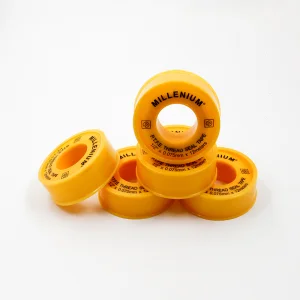
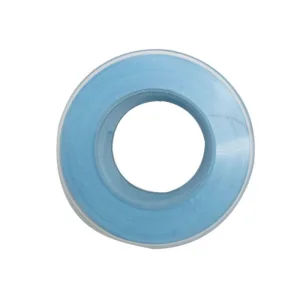
Located in Nan’an City—China’s historical hub of sanitary ware and plumbing innovation—FUJIAN UNIK INDUSTRIAL CO., LTD. has established a comprehensive manufacturing complex. We operate specialized divisions for high-precision faucet forging and advanced PTFE thread seal tape production. This unique integration ensures that we supply both the high-performance brassware and the structural sealing components required for leak-free, long-term installations.
Our facility integrates advanced technology and manufacturing processes to manage complex production runs. Rather than relying on simple assembly lines, our manufacturing lifecycle spans initial casting, hot forging, computer-controlled CNC machining, polishing, surface finishing, and automated testing. This end-to-end control enables us to offer bespoke ODM and OEM services to meet stringent plumbing codes across different global territories.
The durability of a double bibcock under cyclic hydraulic pressures is directly tied to its metallurgical formulation. Standard market options often utilize recycled scrap metals containing high amounts of lead, iron, and zinc impurities. In aggressive water systems, these low-grade mixtures undergo rapid dezincification, leaving a brittle, porous copper frame susceptible to stress corrosion cracking (SCC) and pinhole failures.
| Material Standard | Copper % | Lead % | Zinc % | Optimal Applications |
|---|---|---|---|---|
| CW617N (EN Standard) | 57.0 - 59.0% | 1.6 - 2.5% | Remainder | European standard projects, high mechanical stability |
| HPb59-1 (UNIK Standard) | 57.0 - 60.0% | < 1.9% | Remainder | Heavy industrial use, high corrosion resistance, strong thread engagement |
| C37700 (US Grade) | 58.0 - 61.0% | 1.5 - 2.5% | Remainder | General plumbing, outdoor hydrants, hot-forging durability |
Our double bibcock valves are engineered using multi-stage finishing technologies. Our electroplating process deposits a thick nickel undercoat followed by an exterior chromium shell. This configuration prevents surface oxidation and resists pitting caused by alkaline soil contact, chemical washes, or saline air in coastal areas.
From a flow dynamics perspective, the internal body of the double bibcock is optimized using computer simulation. This design maximizes flow coefficient values (Cv) and minimizes pressure drops. The internal channels are cast with smooth contours, preventing turbulences and scaling. This layout reduces lime deposits and bio-film accumulation, ensuring reliable, low-maintenance operation over decades of service.
A testament to our production capacity, quality assurance steps, and global design variations.
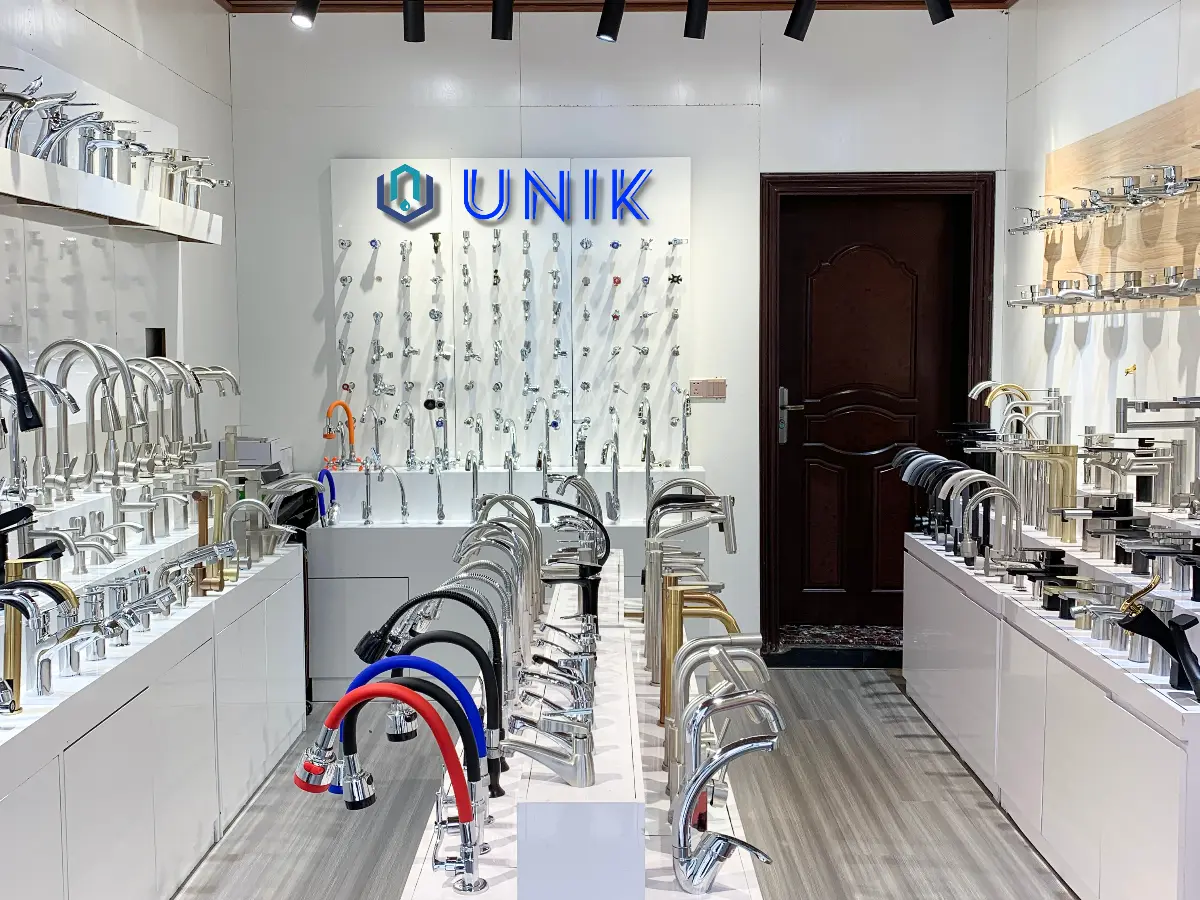
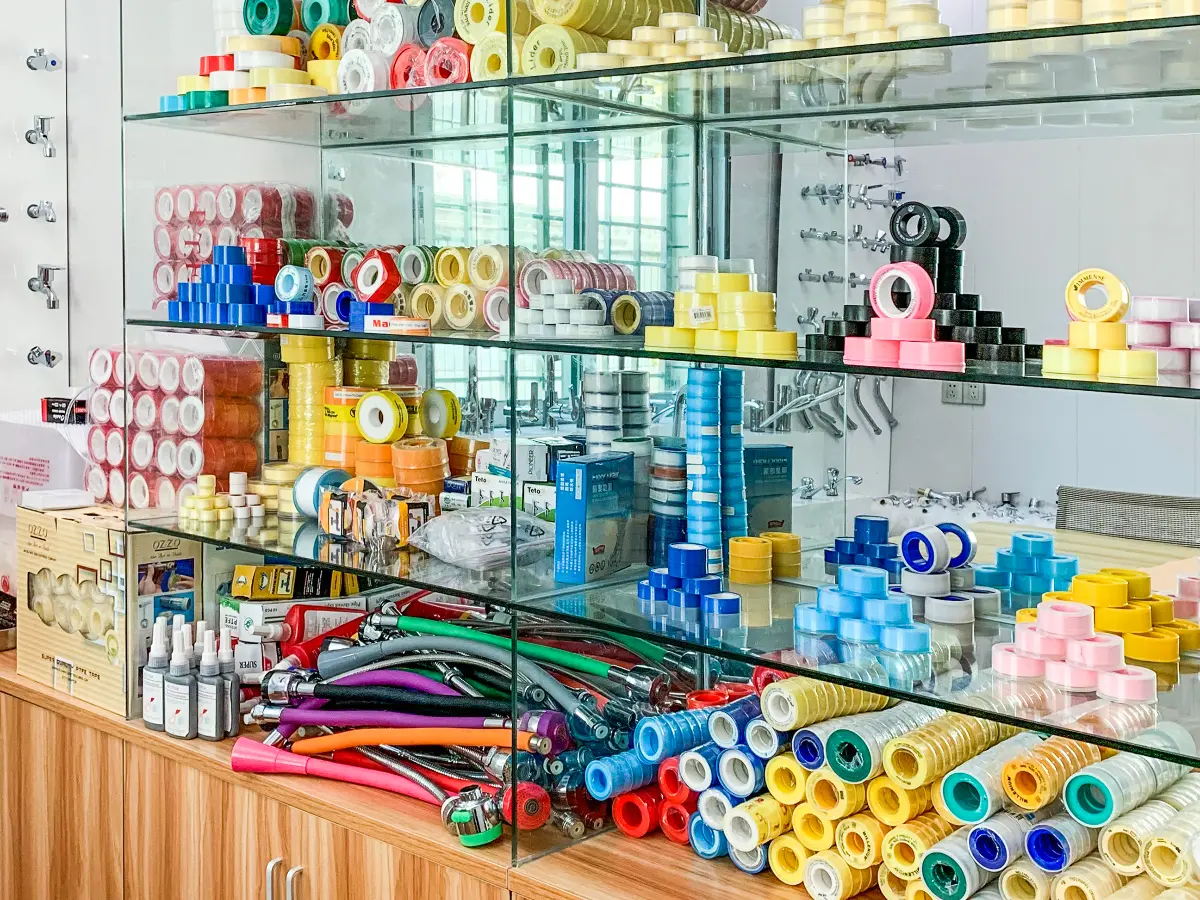
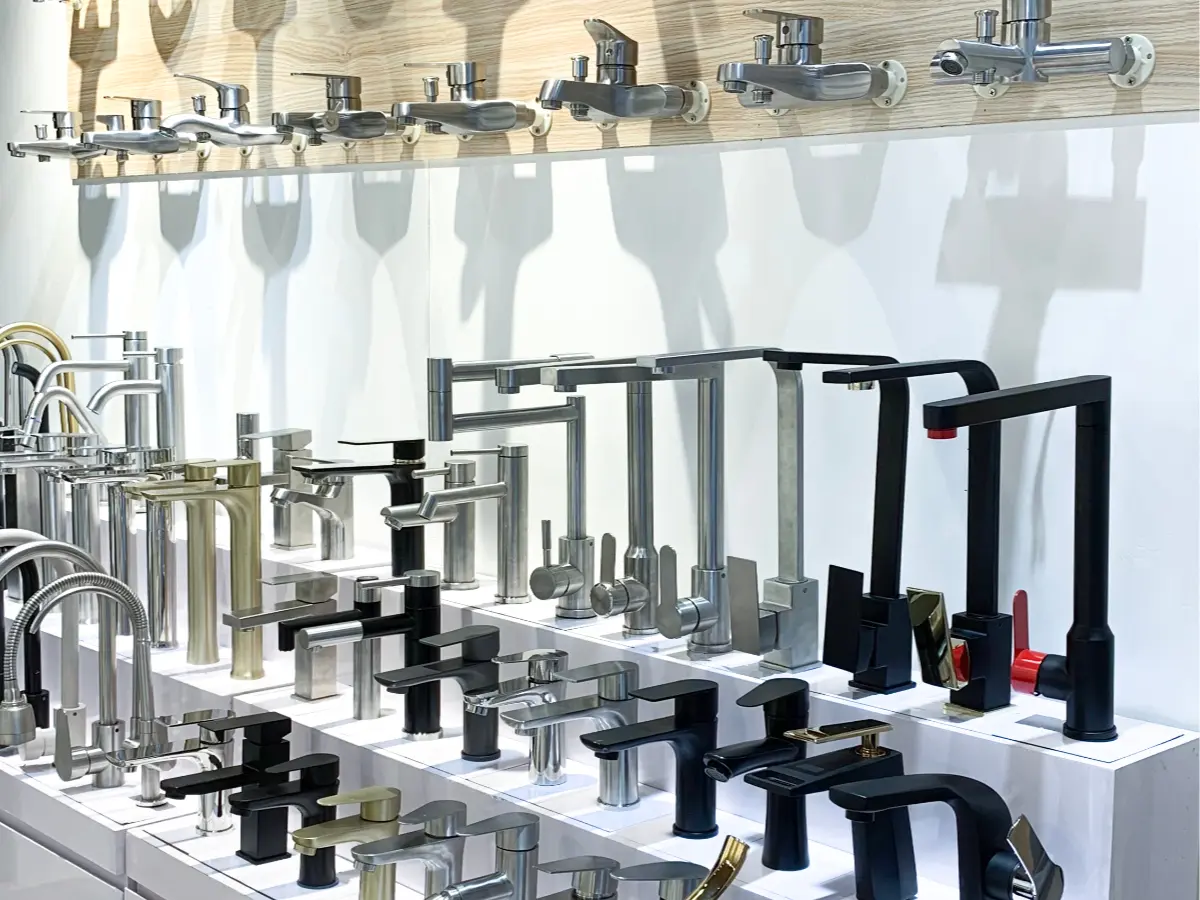
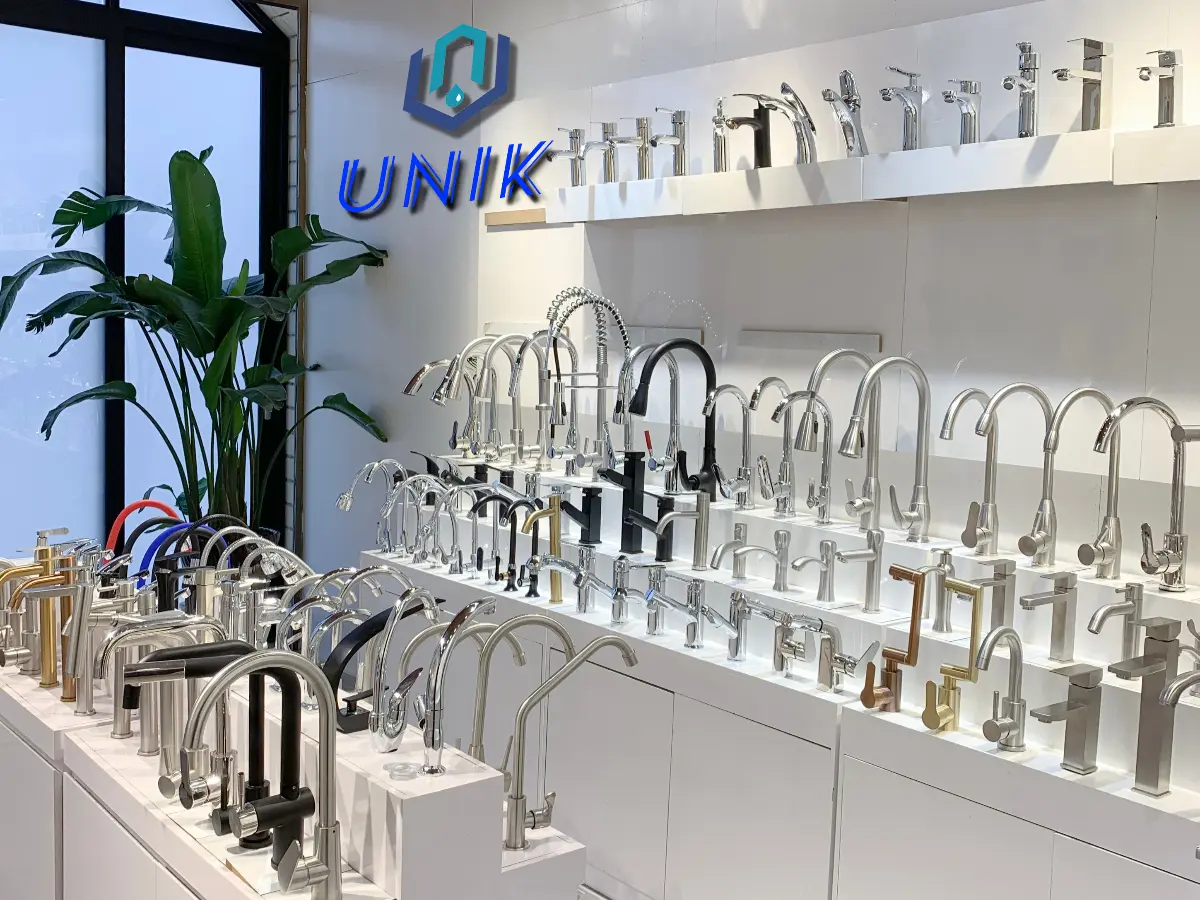
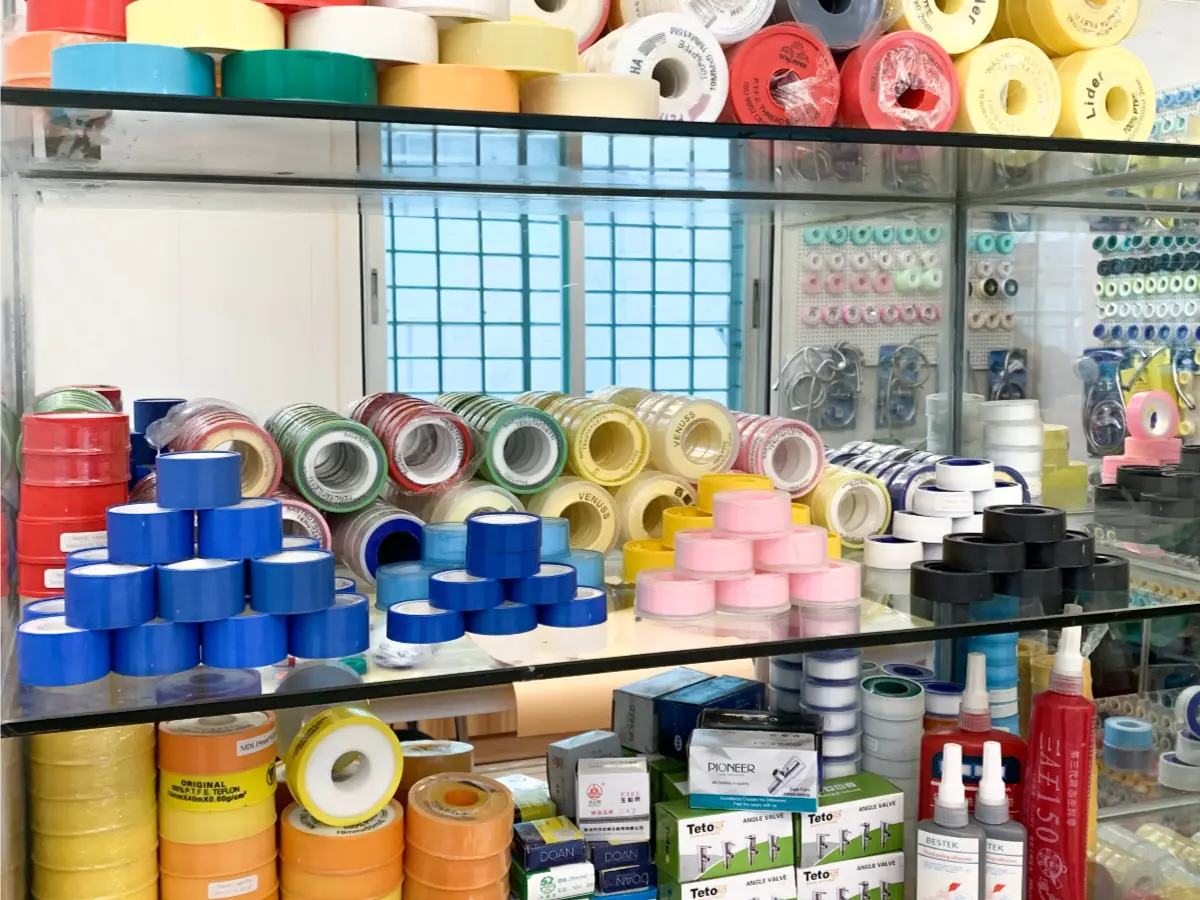
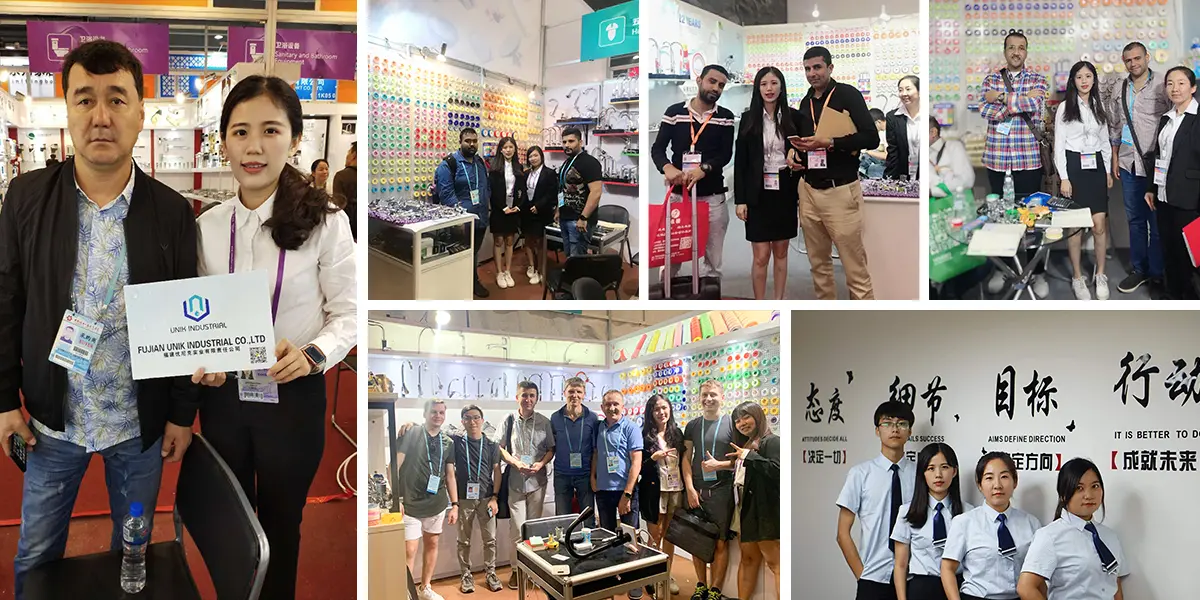
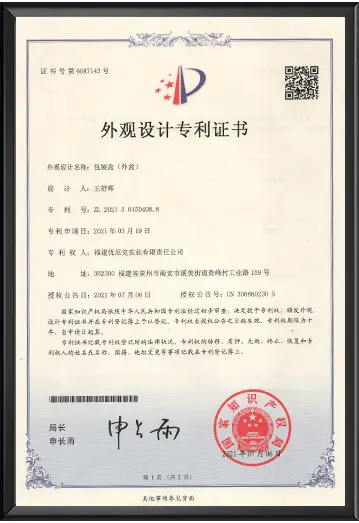
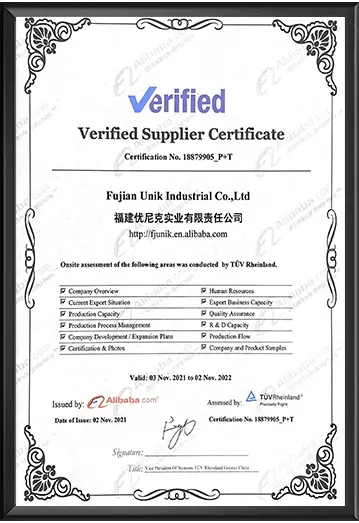
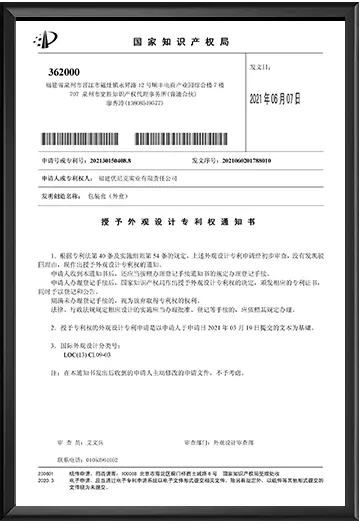
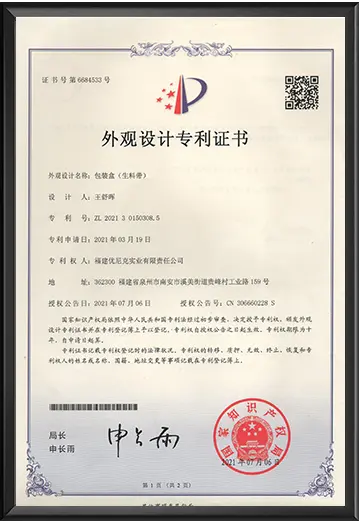
Our quality management systems are verified by international testing bodies. Our manufacturing lines run under strict quality control policies, and our products carry certification seals confirming physical and chemical performance standards. We regularly present our fluid control solutions at key international trade shows, building direct relationships with engineers, municipal purchasers, and distributors.
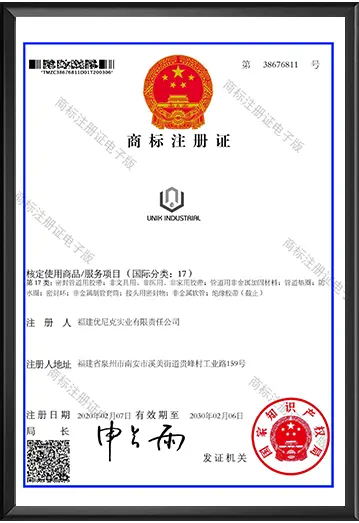
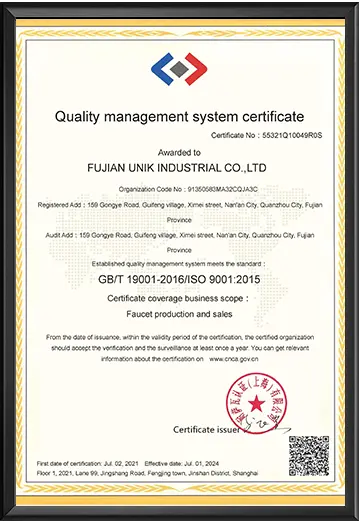
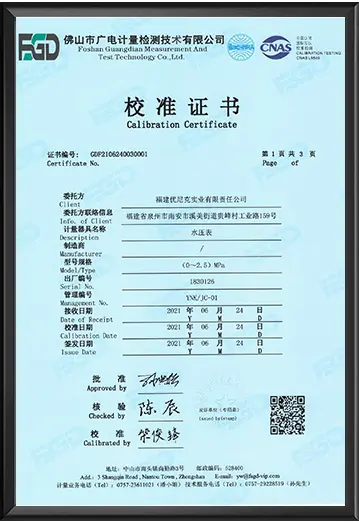
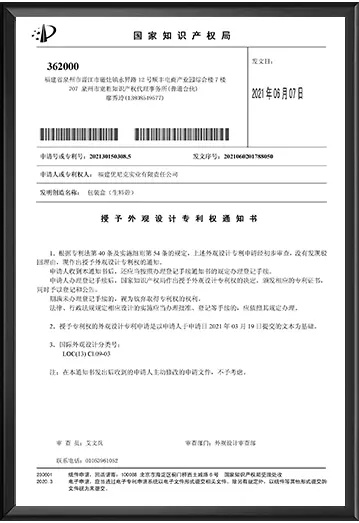
Importing high-volume plumbing fittings requires strict compliance with regional safety guidelines. Faucets and bibcocks that come into contact with drinking water must meet various regional regulatory standards:
Requires compliance with lead limits outlined in the Safe Drinking Water Act (SDWA), specifically certified via NSF/ANSI/CAN 61 and NSF/ANSI 372. The weighted average lead content across wetted surfaces must not exceed 0.25%. Threads must conform strictly to NPT (National Pipe Taper) standards to prevent thread galling during installation with standard schedule-40 or schedule-80 piping.
Requires compliance with the CE directive, and often requires regional certs like WRAS (Water Regulations Advisory Scheme) in the UK or DVGW in Germany. Threading must adhere to ISO 228-1 (BSP parallel threads). Products also undergo chemical leaching analysis to ensure heavy metals do not contaminate supply lines.
UNIK manufactures products tailored to these regional specifications. Our engineering team reviews construction documents, mechanical specifications, and local code mandates to ensure all supplied fittings install correctly and pass local inspections.
Detailed answers to technical questions raised by plumbing engineers, municipal buyers, and global distributors.
We provide innovative solutions for sustainable progress. Our professional team works to increase productivity and cost effectiveness on the market.
Contact Our Technical Sales TeamExplore matching sealing systems, wall-mounted fittings, and modern high-pressure wash systems.