Precision-engineered components meeting international certification and structural safety standards
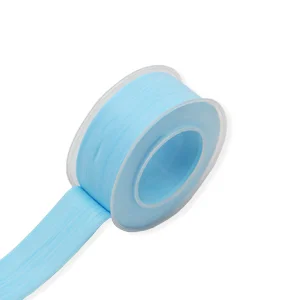
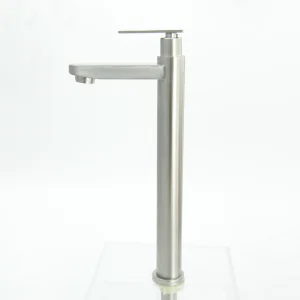
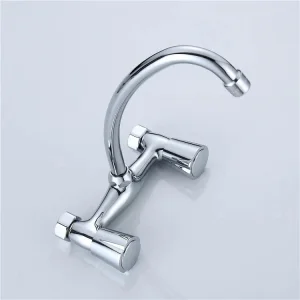

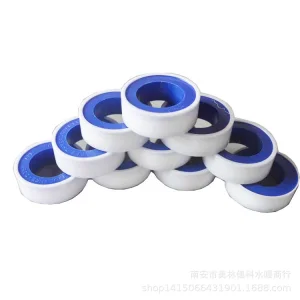
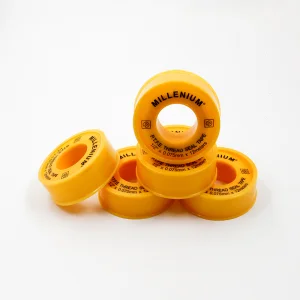
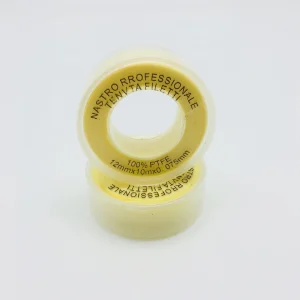
Strategically located in Nan'an City, Fujian Province—globally recognized as the *hometown of water heating and plumbing systems in China*—FUJIAN UNIK INDUSTRIAL CO., LTD. operates at the frontier of high-precision fluid control manufacturing. We manage a fully integrated faucet production facility and a specialized PTFE thread seal tape plant.
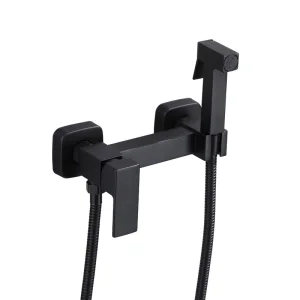
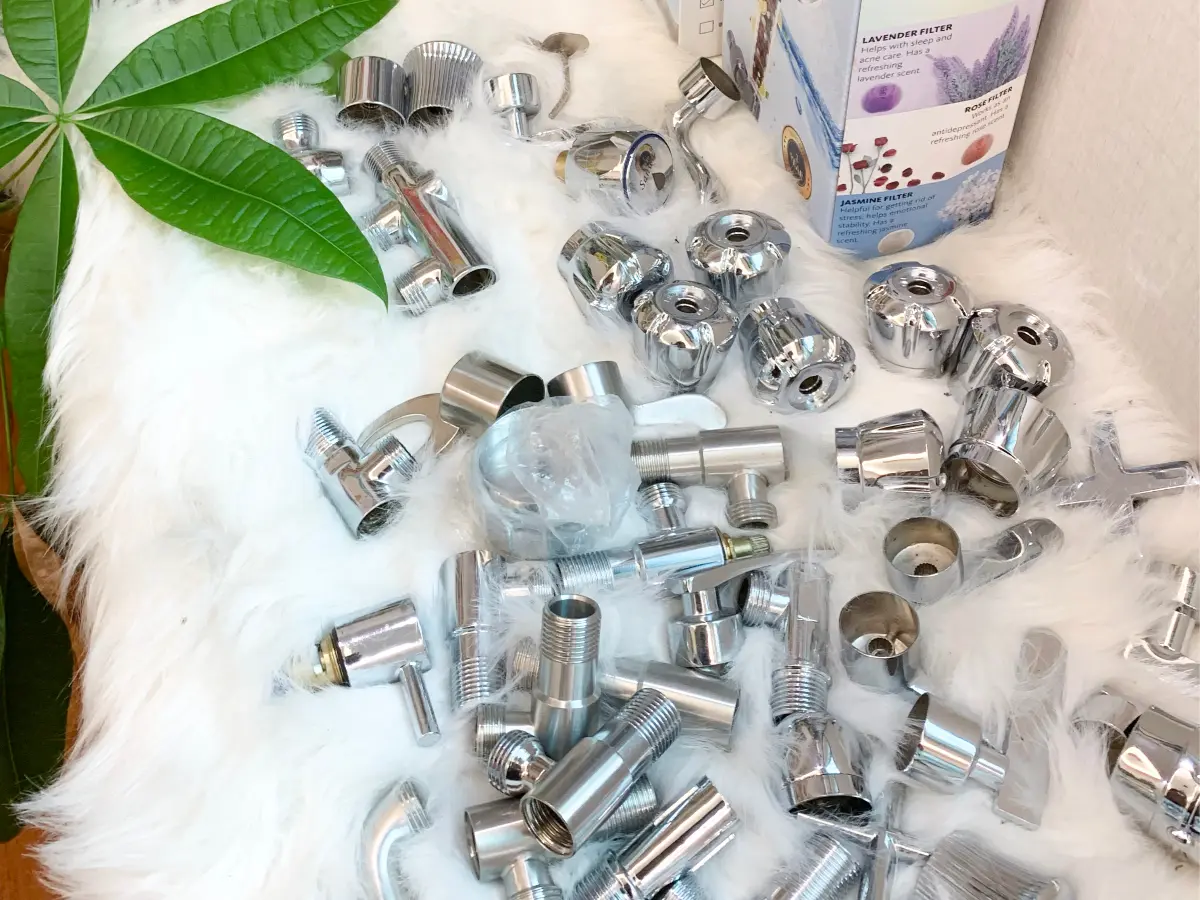
By combining state-of-the-art hot forging processes with automated CNC machining, UNIK delivers high-performance OEM and ODM solutions. Our core product matrix includes premium lead-free brass angle valves, professional-grade PTFE sealing tapes, sanitary faucets, high-pressure showerheads, and flexible connection hoses designed for rigorous municipal, commercial, and residential operations.
In modern commercial architecture and high-density residential plumbing, the brass angle valve serves as the critical safety and isolation node. Acting as the ultimate control point for terminal sanitary fixtures (such as faucets, bidets, toilets, and water heaters), these compact components must withstand continuous hydrostatic pressures, thermal cycling, and municipal chemical treatments.
For enterprise procurement officers, engineering consultants, and commercial distributors in the US, Europe, and the Middle East, material compliance is the primary risk factor. Traditional yellow brass alloys, while highly machinable, are susceptible to dezincification when exposed to corrosive or mildly acidic water. This process leaches zinc away from the copper-zinc alloy, leaving a porous, structurally weak copper skeleton prone to catastrophic pressure failure.
To mitigate this, international engineering specs increasingly mandate DZR (Dezincification Resistant) Brass (such as CW602N or CZ132) or premium low-lead/lead-free formulations (such as C27450 or CW724R). Proactive engineering ensures compliance with domestic drinking water safety standards while drastically reducing liability costs.
When drafting a Request for Proposal (RFP) or Request for Quote (RFQ) for high-volume supply contracts, generic descriptions like "1/2 inch brass angle valve" result in inconsistent quality. Procurement teams must define mechanical and chemical thresholds to establish objective baseline standards. Below is the industry-standard engineering matrix for commercial-grade brass angle valves:
| Parameter / Metric | Standard Specification | High-Performance / Premium Option |
|---|---|---|
| Primary Alloy Base | H59-1 Brass / CW614N | DZR Brass (CW602N) / Lead-Free Brass (C27450) |
| Manufacturing Process | Die-Casting or Standard Machining | Multi-axis Hot Forging + Precise CNC Finishing |
| Wall Thickness (Body) | ≥ 1.8 mm | ≥ 2.2 mm to 2.5 mm (Explosion-Proof Structure) |
| Internal Mechanism | Brass Stem / Compression Washer | 90° Turn Dry-Sealed Alumina Ceramic Cartridge |
| Inlet/Outlet Connections | G 1/2" or 1/2" NPT (ISO 228) | Precision-cut Threading with Integrated Knurling |
| Surface Electroplating | Standard Chrome plating (≥ 3 μm) | Multi-layer (Ni ≥ 8 μm, Cr ≥ 0.25 μm), 24-hr CASS Testing |
| Burst Pressure | ≥ 2.0 MPa (20 Bar) | ≥ 4.0 MPa (40 Bar) Safety Threshold |
The manufacturing of sanitary brassware has shifted away from manual, labor-intensive assembly lines. Leading Chinese industrial clusters—headquartered in plumbing capitals like Nan'an, Fujian—have adopted automated manufacturing paradigms, commonly referred to as "Factory 4.0." This systematic integration directly impacts global procurement by stabilizing unit pricing, reducing lead times, and maintaining consistent quality.
Employs high-tonnage friction presses coupled with robotic arms to process solid brass billets. This eliminates internal air voids, porosity, and microscopic cracks common in gravity-cast valves, creating a dense, pressure-resistant metallic grain structure.
Automated CNC transfer machines execute thread cutting, seat boring, and chamber sizing in a single clamping operation. This ensures spatial tolerances within ±0.01mm, eliminating thread binding during site installation.
Every single valve is subjected to automated high-pressure pneumatic sealing tests before surface finishing. Valves with leaks as small as 0.05 ml/min are automatically rejected, keeping defect rates below 50 PPM.
Purchasing directly from Fujian Unik Industrial Co., Ltd. provides clear advantages due to our regional ecosystem. The Nan'an industrial zone hosts raw material refiners, tool-and-die makers, electroplating plants, packaging suppliers, and deep-water ports all within a 50-kilometer radius.
This concentration buffers our factories against global logistical shocks. When localized supply chains are self-contained, lead times remain stable even during periods of high demand. For global buyers, this translates to predictable delivery schedules and reduced inventory carrying costs.
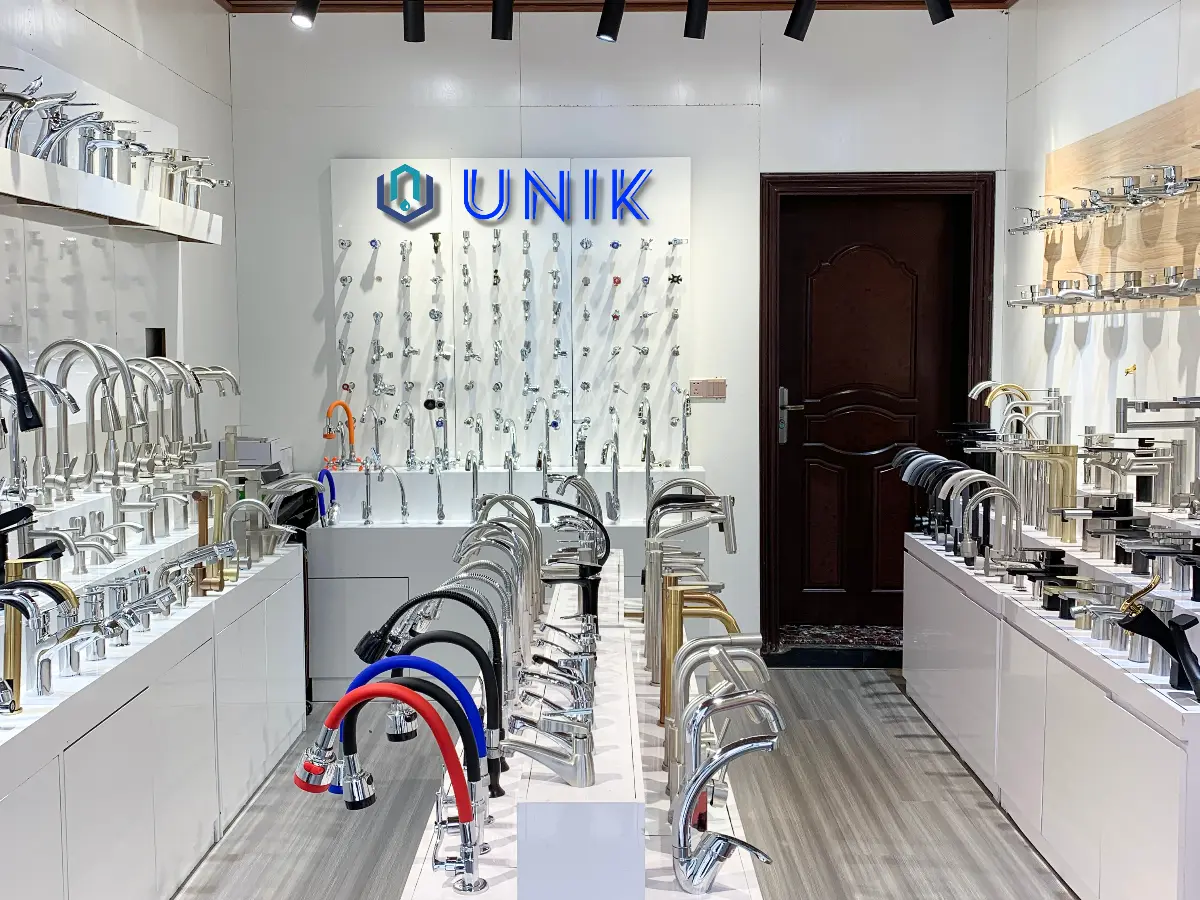
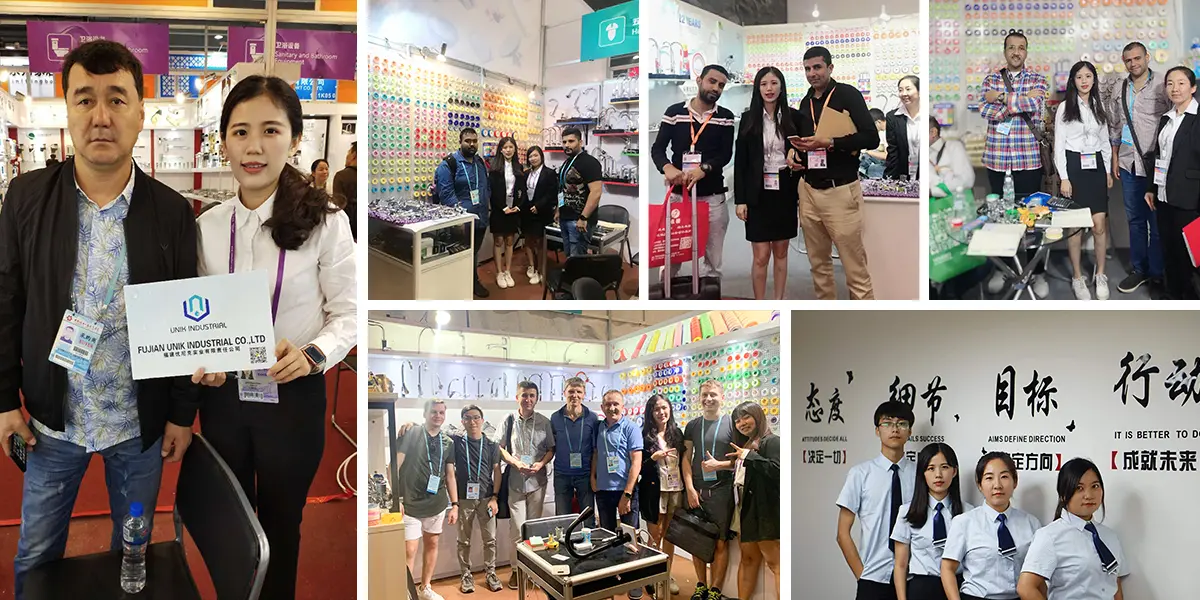
Inside our high-capacity production facility and product catalog displays
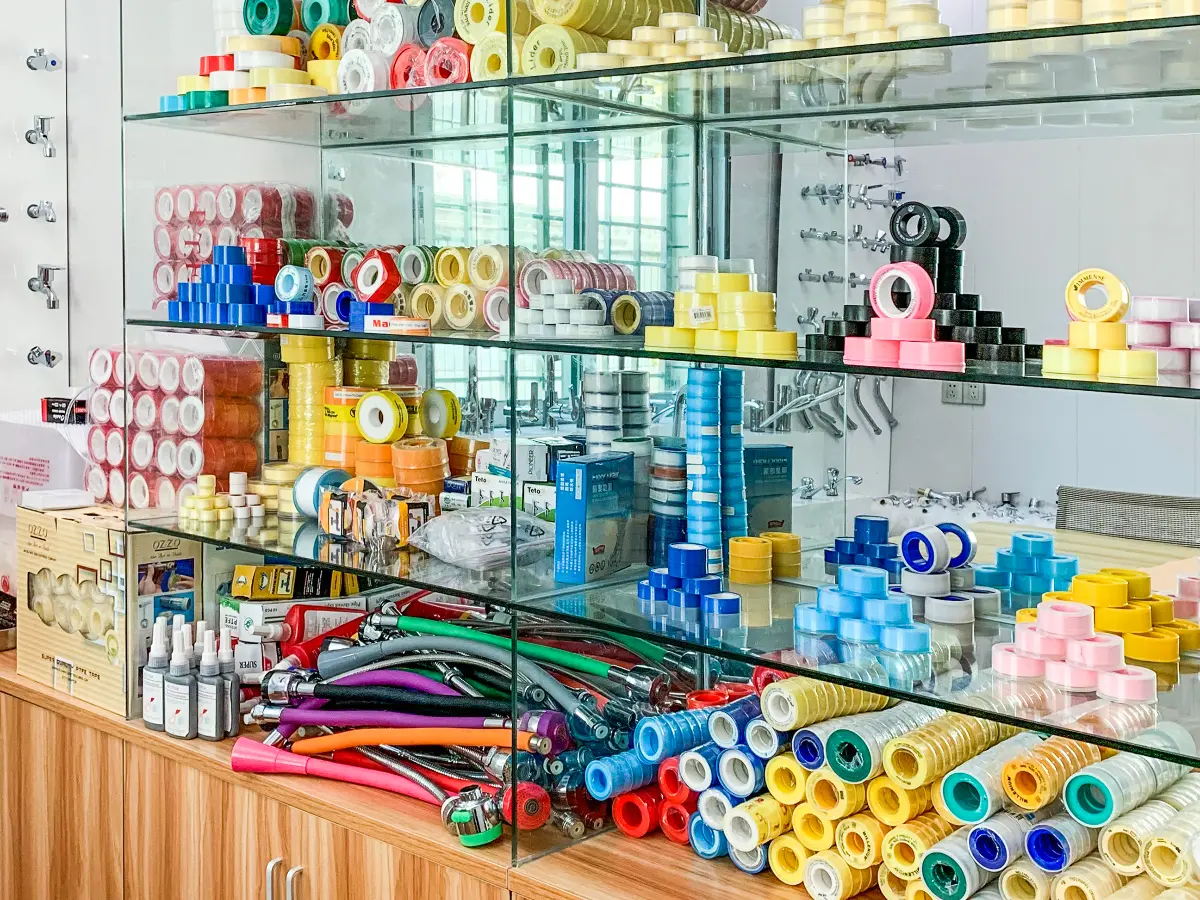
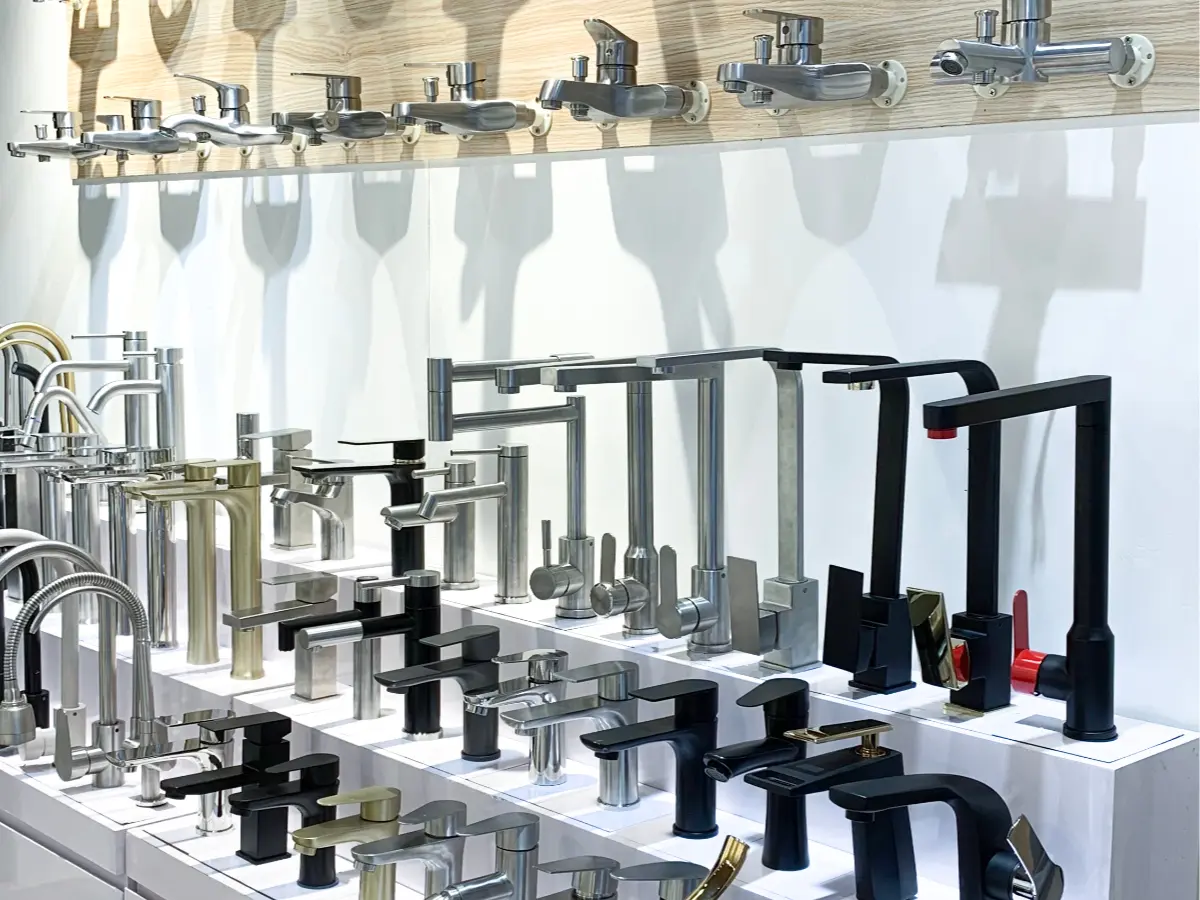
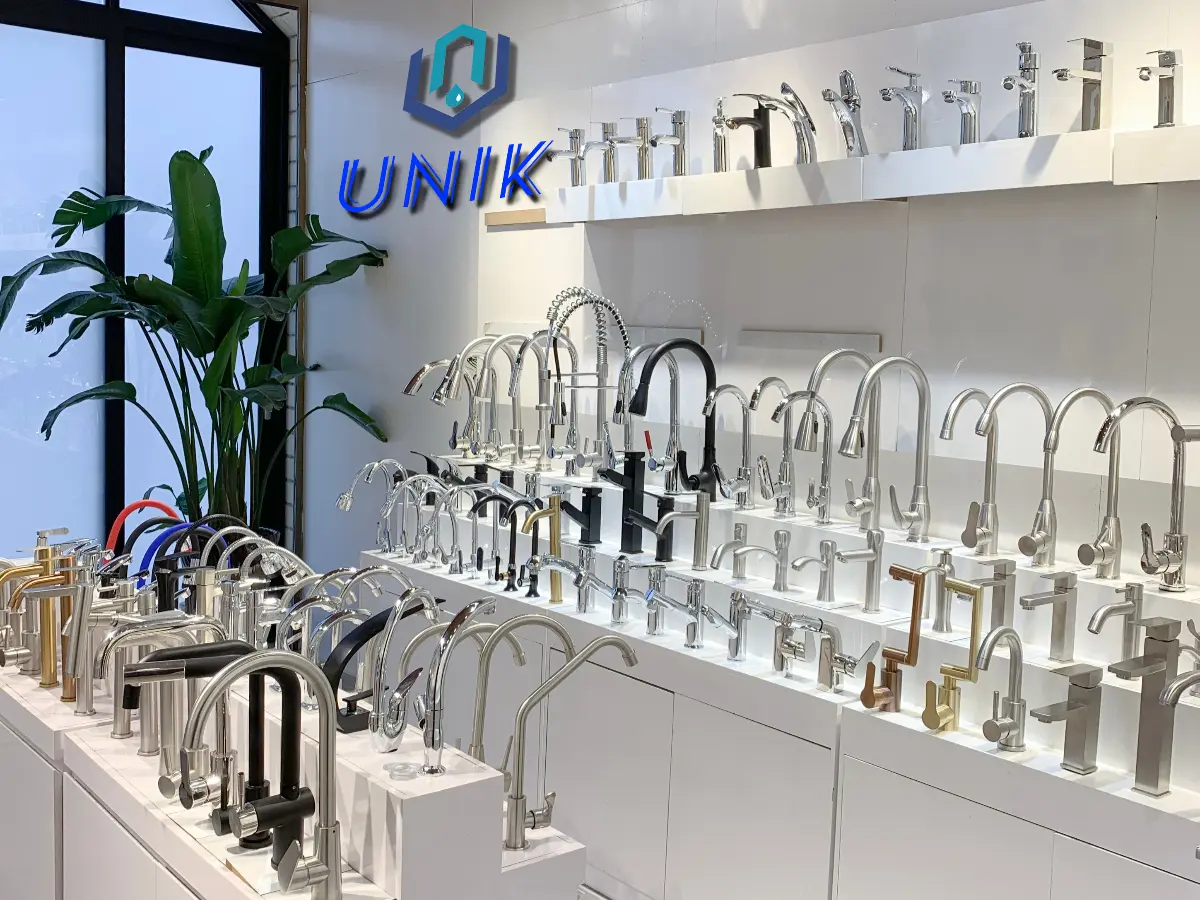
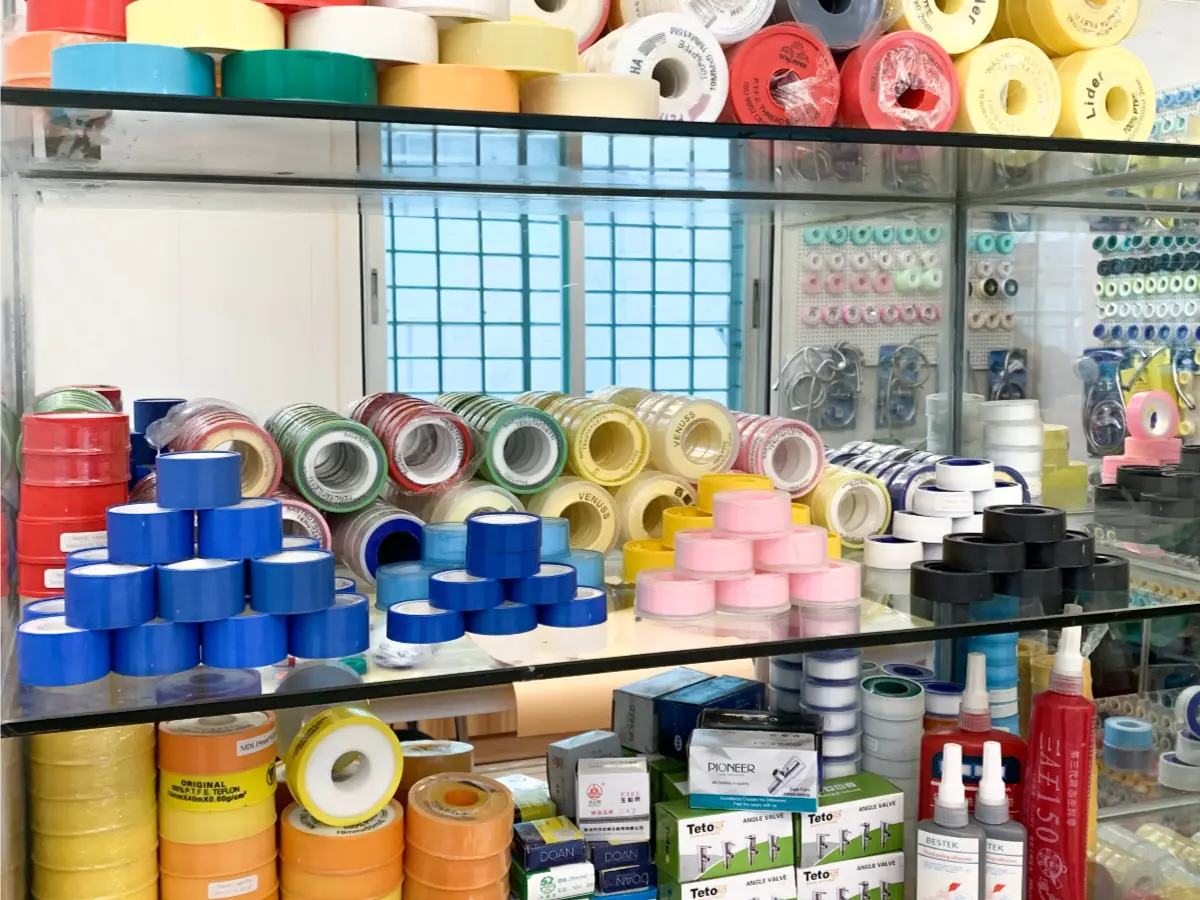
Sanitary installations are subject to regional variations in water chemistry, construction codes, and climate. Designing for these distinct scenarios helps prevent failure on-site.
In coastal regions or marine applications, standard brass components are vulnerable to atmospheric salt spray and galvanic corrosion. For these projects, specify brass angle valves with thickened nickel-chrome electroplating or PVD physical vapor deposition. These coatings form an inert barrier that resists pitting and crevice corrosion, protecting the base metal.
High-rise commercial and residential structures experience high static pressures on lower floors. When terminal valves close rapidly, shockwaves—known as water hammer—can travel through the piping system. Under these conditions, cast-body or thin-walled valves are susceptible to cracking. Specifying heavy-duty hot-forged brass bodies with burst limits exceeding 4.0 MPa helps ensure system integrity.
Plumbing standards vary by market. While European installations typically use parallel BSPP threads, North American configurations require tapered NPT or compression inlets. Incorporating the correct threading standard into procurement specifications prevents reliance on adapters, reducing potential leak points.
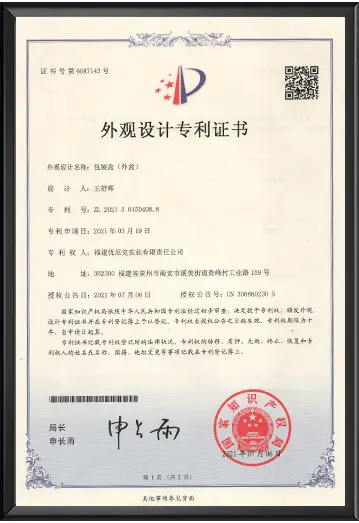
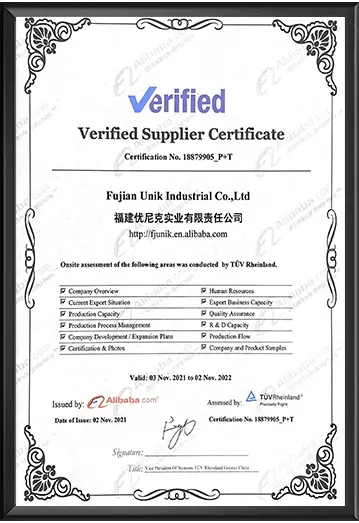
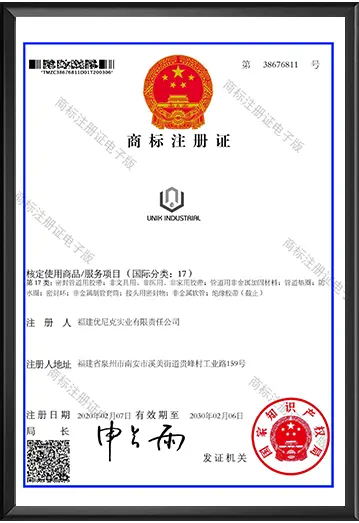
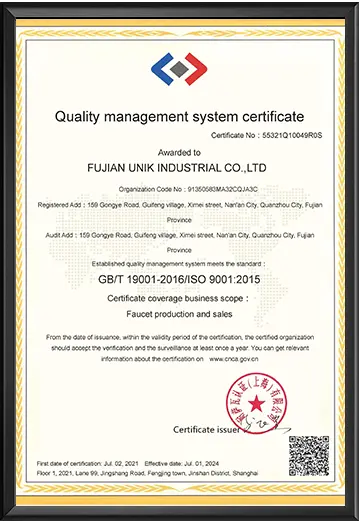
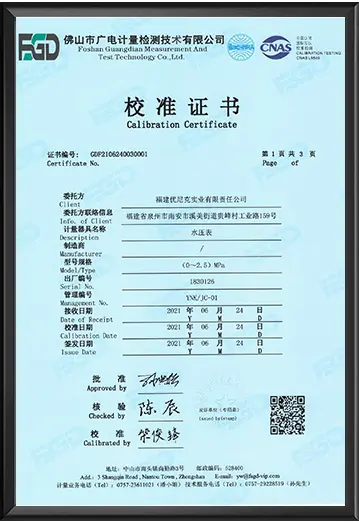
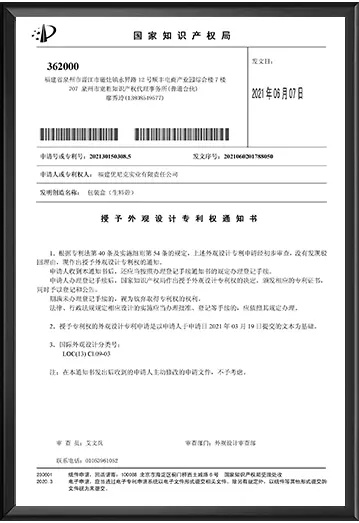
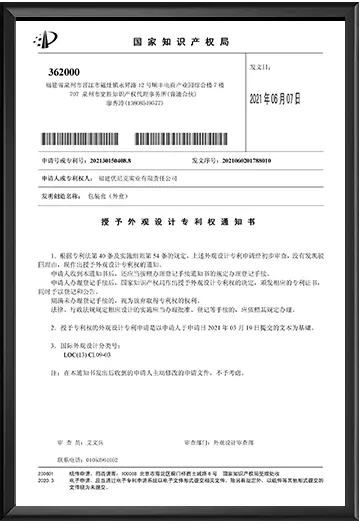
Demonstrating compliance with global safety, hygiene, and performance standards
B2B buyers should evaluate brass angle valve pricing based on total cost of ownership rather than unit cost alone. Low unit pricing often points to material compromises, such as recycled scrap alloys with high lead concentrations or thin wall sections.
Brass is an alloy of copper and zinc. Consequently, wholesale pricing fluctuates with prices on the London Metal Exchange (LME). Most manufacturers index their quotes to the LME copper spot price, allowing adjustments if raw material costs shift beyond an agreed percentage (typically ±3% to 5%). Understanding this helps buyers time their procurement cycles.
Proper secondary packaging protects surface finishes during transit. Quality manufacturers pack valves in individual protective bags within custom corrugated cartons, palletized with stretch wrapping. Standard packaging formats include 100 or 200 units per master carton, structured to optimize ocean container volume.
Expert engineering answers to common technical, material, and sourcing questions
Browse our integrated collection of faucets, showers, and plumbing accessories
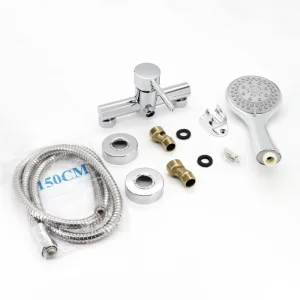
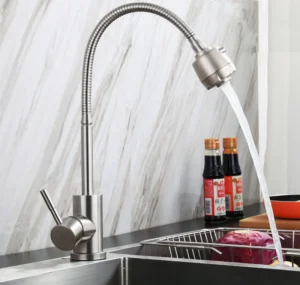
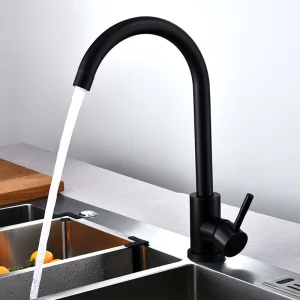
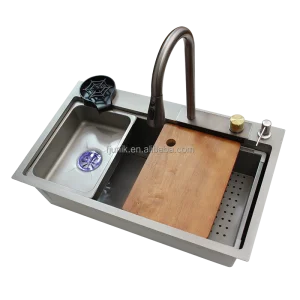
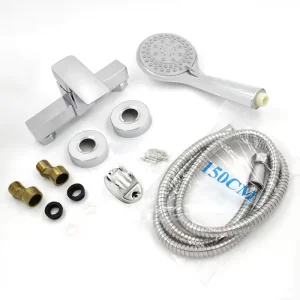


We provide innovative fluid control solutions designed for sustainable progress. Our engineering teams work to optimize flow efficiency, reliability, and cost-effectiveness across your sourcing cycle.
Request Technical Datasheets & Pricing