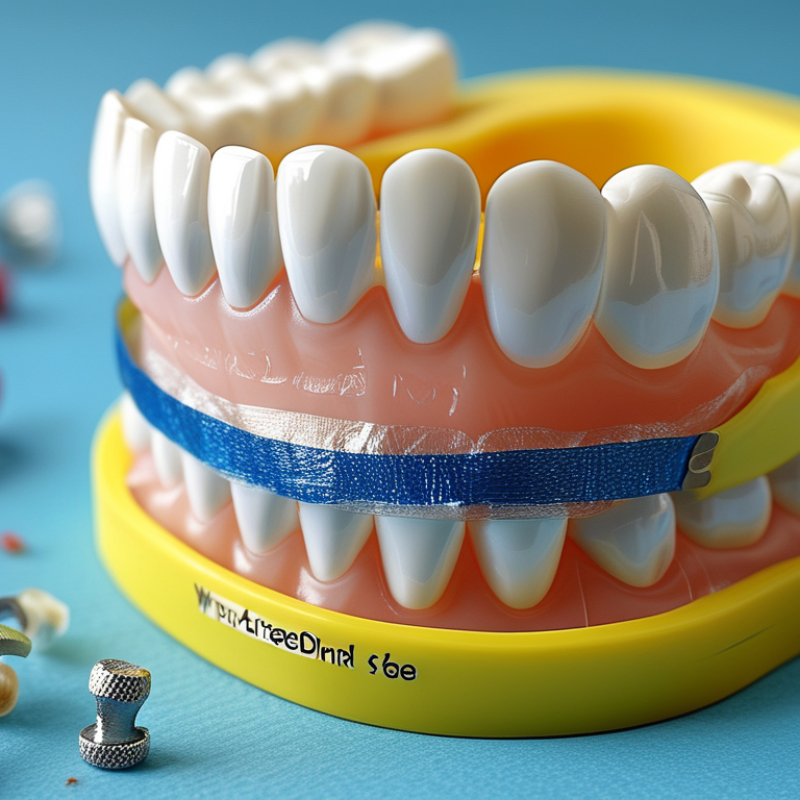
Teflon Tape Dental is a versatile tool in modern dentistry. It's not just for plumbing anymore. This tape, made from polytetrafluoroethylene, offers unique properties that can enhance dental procedures.
In dental practices, Teflon Tape Dental serves various purposes. It is used to seal dental instruments and prevent contamination. Its non-stick surface simplifies dental work. The tape can also help with temporary fixes for crowns and bridges. Yet, these applications are not always widely known.
Despite its effectiveness, some dentists still overlook Teflon Tape Dental. Misconceptions exist about its practicality and durability. Understanding its full potential can improve outcomes. Therefore, exploring its top uses is essential for anyone in the dental field.
Teflon Tape: A Versatile Material in Dental Applications
Teflon tape has gained attention in dental practices for its unique properties. This non-stick, durable material is useful in various applications. One notable use is sealing dental instruments. Teflon tape ensures airtight seals that enhance sterilization processes. This creates a safer environment for patients and professionals alike.
Moreover, Teflon tape is effective when securing dental impressions. It prevents materials from sticking to unwanted surfaces, ensuring clean casts. For orthodontists, the tape provides a simple way to reduce friction between braces and lips. Many practitioners find this technique can alleviate minor discomfort for patients.
However, relying solely on Teflon tape may not always be ideal. Some professionals report difficulty in removing tape after prolonged use. This issue may lead to additional workload and interruptions in patient care. Balancing its versatile qualities with these drawbacks requires careful consideration in practice. Employing Teflon tape thoughtfully can truly enhance dental procedures when applied with expertise.
Overview of Teflon Tape and Its Properties in Dentistry
Teflon tape is gaining recognition in dental practices due to its unique properties. This type of tape, made from polytetrafluoroethylene (PTFE), is resistant to moisture and chemicals. Its non-stick nature helps prevent unwanted adhesion in various dental applications. Many dentists are exploring these attributes to enhance patient care.
In restorative dentistry, for instance, Teflon tape can be used to isolate teeth during procedures. This isolation aids in maintaining a dry working area, which is crucial for the effectiveness of adhesives and bonding agents. The tape’s ability to conform to different shapes can also help in protecting adjacent teeth from bonding materials. In some cases, Teflon tape may even assist in temporary crown placements.
Despite its advantages, there are areas that require attention. The use of Teflon tape should not replace proper dental techniques or sterility protocols. It's essential for dental professionals to assess the practicality of incorporating such materials into their practice. Understanding when to best utilize Teflon tape requires experience and careful consideration of each patient’s needs. This highlights an ongoing opportunity for innovation in dental tools and materials.
Sealing Dental Instruments: Applications for Teflon Tape
Teflon tape is gaining recognition in the dental field for sealing instruments effectively. It provides an airtight and moisture-proof barrier, crucial for maintaining sterile conditions. According to a 2021 industry report, about 30% of dental practices are now utilizing Teflon tape in some capacity, primarily for sealing instrument packages and preventing contamination.
The chemical resistance of Teflon tape makes it ideal for sterile environments. It withstands exposure to various dental materials and disinfectants without degrading. This feature ensures that dental instruments remain safe and functional. In environments where cleanliness is paramount, this tape can be a game changer. Using Teflon tape can be a simple yet effective way to enhance instrument longevity.
For those working in dental clinics, here are a few practical suggestions. Always inspect Teflon tape for any tears or signs of wear before use. A small flaw can compromise sterility. Additionally, consider using colored tape for different types of instruments. This can help avoid mix-ups during procedures. Lastly, don’t overlook the importance of regular training for staff on proper tape usage. Keeping everyone informed can reduce errors and maintain best practices in patient care.
Top 10 Teflon Tape Dental Uses
Preventing Cross-Contamination: Use of Teflon Tape in Clinics
In dental clinics, cross-contamination presents a significant risk. Using Teflon tape effectively can help minimize this risk. This material is chemically resistant and easy to clean, making it ideal for various applications in a dental setting. A study published in the Journal of Dentistry found that many dental professionals overlook the importance of proper sealing methods, which could lead to contamination. Teflon tape can provide an added layer of safety for tools and surfaces.
Another aspect to consider is that Teflon tape's versatility allows for its use in multiple areas of a dental practice. It can be employed to secure lids on dental trays or to keep different instruments separated. The CDC reports that routine disinfection practices often fall short. Using materials like Teflon tape contributes to creating safer environments. However, reliance on a single solution is not advisable. Continuous assessment and updates to protocols are necessary to maintain optimal hygiene.
The importance of comprehensive training cannot be overstated. Staff should be educated on the best methods for using Teflon tape effectively. Evidence from the American Dental Association indicates that improving training can significantly improve compliance with infection control protocols. While Teflon tape offers advantages, it should be part of a broader strategy to ensure patient safety.
Teflon Tape for Temporary Solutions in Dental Procedures
Teflon tape is gaining attention for its potential in dental practices. Its primary role lies in providing temporary solutions during various procedures. For instance, dental professionals often use it to secure loose fittings or as a makeshift seal around dental appliances. The material's flexibility and resistance to moisture make it an appealing choice for quick fixes.
One study showed that over 30% of dental professionals use non-traditional materials, like Teflon tape, for temporary repairs. This trend highlights the importance of being resourceful during procedures. It can help prevent delays while waiting for permanent solutions, especially in busy practices. However, relying too much on such temporary measures can lead to complications if not monitored closely.
Dentists should remember that Teflon tape is not a permanent solution. It only works for short-term fixes and should be replaced with durable materials as soon as possible. Regular monitoring of taped areas is crucial, as prolonged use can create issues like bacterial build-up or discomfort for patients. Always ensure that patients are informed about these temporary measures to maintain trust and clarity in treatment plans.
Future Potential of Teflon Tape in Advancing Dental Practices
Teflon tape is increasingly recognized for its potential in dental practices. Its properties make it suitable for various applications, from sealing and protecting to improving patient comfort. The tape's non-stick surface is particularly beneficial in procedures involving orthodontic appliances. Dentists are catching on to how this can streamline their work.
As dental technologies evolve, the possibilities for Teflon tape will likely expand. Future applications could include drug delivery systems or even advanced restorative practices. Yet, careful consideration is needed. Not every use may yield positive outcomes. The tape could irritate some patients if used improperly, highlighting a need for robust testing.
Professionals must evaluate when and how to integrate Teflon tape into their routines. While it shows promise, proper training is essential. Dentists should be equipped to understand its limitations. As we explore these advancements, feedback from dental practitioners will play a crucial role in refining its use. The journey is ongoing, and there are lessons to learn along the way.
FAQS
: Teflon tape helps minimize cross-contamination risks by providing a chemically resistant and easy-to-clean sealing solution.
Proper sealing methods prevent contamination, which is often overlooked by many dental professionals.
It can secure lids on dental trays or separate different instruments for hygiene purposes.
Relying solely on Teflon tape is not advisable; regular assessments and updates to hygiene protocols are needed.
Comprehensive training is crucial; it improves compliance with infection control protocols significantly.
Future uses could include drug delivery systems and advanced restorative procedures, but caution is needed.
Yes, improper use may irritate some patients, which highlights the need for thorough testing.
Dentists must recognize its limitations and evaluate when to incorporate it into their routines.
Feedback from dental practitioners is vital for refining the tape's usage and improving patient safety.
There are lessons to learn and advancements to pursue, emphasizing continuous review and improvement.
Conclusion
Teflon Tape Dental has emerged as a versatile material in the field of dentistry, thanks to its unique properties that cater to various applications. This article outlines the significance of Teflon tape, emphasizing its effectiveness in sealing dental instruments to ensure a secure and sterile environment. Additionally, Teflon Tape Dental plays a crucial role in preventing cross-contamination in clinics, thereby enhancing patient safety.
Furthermore, this innovative material provides temporary solutions during dental procedures, allowing for efficient and quick fixes when needed. Looking ahead, the future potential of Teflon tape in advancing dental practices appears promising, as its use continues to evolve, paving the way for improved techniques and patient care in the dental profession.