
China Best Sensor Tap Price for Global Buyers?

Time:2026-09-14 Author:Liam
0%

China Best Sensor Tap Price for Global Buyers? This question deserves more than a supplier’s lowest quotation. Sensor Tap Price changes with brass quality, sensing technology, order volume, certification, shipping terms, and after-sales support. A polished chrome tap may look identical in photographs, yet its solenoid valve, infrared range, and battery compartment can differ significantly.

Professor Steve Buchberger, a respected water-efficiency researcher, has stated, “Water conservation begins with understanding how water is used.” His observation matters here. A reliable sensor tap can reduce unnecessary flow in hotels, hospitals, airports, and commercial washrooms. However, savings depend on correct installation, stable detection, suitable water pressure, and regular maintenance. Small details matter. Very much.

This guide examines China’s Sensor Tap Price from a buyer’s practical perspective. It considers factory-direct pricing, minimum order quantities, sample costs, packaging, Incoterms, compliance documents, warranty terms, and replacement-part availability. A basic battery-powered model may appear inexpensive, while a mains-powered commercial unit may offer stronger durability and easier maintenance. The cheapest option is not always the best value. It can become costly after leakage, sensor failure, or delayed spare parts.

There is also room for doubt. Supplier descriptions may not explain testing conditions clearly. Currency changes and freight rates can distort comparisons. Therefore, global buyers should request samples, product specifications, test reports, and a complete landed-cost calculation before approving an order. This approach is not perfect, but it is more dependable than comparing headline prices alone. The real question is simple: what performance will the quoted Sensor Tap Price deliver over several years?
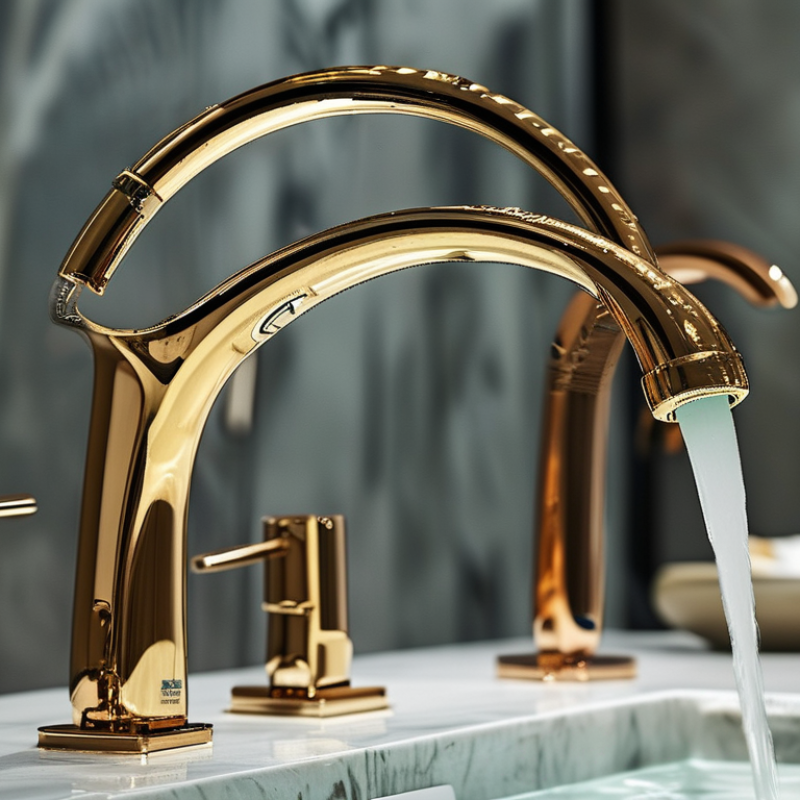
China Best Sensor Tap Price for Global Buyers?

What Determines Sensor Tap Prices in China?

What Determines Sensor Tap Prices in China?

Sensor tap prices in China vary widely because the product is more than a metal faucet. The sensor module, valve, body material, and control system all affect the quotation. A polished stainless steel body usually costs more than plated brass. However, surface appearance alone does not prove durability.

The sensing distance also matters. A stable infrared module can perform better in bright washrooms and changing water conditions. Battery-powered models may reduce installation costs, while mains-powered versions can suit high-traffic facilities. Flow restrictors, mixing valves, and temperature controls add further cost. These details are often hidden in short supplier quotations.

From practical purchasing experience, buyers should request a complete specification sheet and a working sample. Test response time, shut-off speed, leakage, and performance under normal water pressure. Ask about sensor life, replacement parts, packaging, and warranty terms. Certification and factory testing may raise the initial price, but they can reduce maintenance problems later.

A low quote can be misleading. Some estimates exclude molds, customized finishes, spare parts, or export packaging. Freight costs may also change with order volume and destination. I have found that the cheapest sample is not always the cheapest installation. Even experienced buyers can overlook small valve components. That deserves a second review.

China Best Sensor Tap Price for Global Buyers? - What Determines Sensor Tap Prices in China?

Product Configuration Typical China Wholesale Price
(RMB / Unit)
Main Price Drivers Common Specification Typical MOQ Indicative Production Lead Time
Basic cold-water sensor tap ¥90–¥180 Body material, sensor quality, solenoid valve, finish, packaging Brass or stainless-steel body; infrared activation; battery or AC power 50–100 units 15–25 days
Commercial deck-mounted sensor tap ¥160–¥320 Heavier casting, longer service life, adjustable sensing range, valve reliability Brass or 304 stainless steel; 6–24 V DC or battery operation 20–50 units 20–30 days
Touchless hot-and-cold mixer tap ¥280–¥650 Thermostatic or electronic mixing system, dual water paths, temperature control Temperature mixing; anti-scald control; AC adapter or battery backup 20–50 units 25–35 days
High-traffic public washroom model ¥220–¥480 Vandal-resistant construction, waterproof electronics, reinforced mounting hardware IP-rated sensor compartment; metal control box; replaceable valve components 20–50 units 25–35 days
Premium stainless-steel sensor tap ¥350–¥800 304/316 stainless steel, precision polishing, corrosion resistance, customized finish 304 stainless steel standard; 316 option for coastal or corrosive environments 20–50 units 30–45 days
Customized OEM/ODM sensor tap ¥250–¥1,000+ Tooling, custom housing, firmware, logo treatment, testing, certification, packaging Customer-defined dimensions, sensor logic, power system and water connections 100–500 units 35–60 days
Key Cost Factors
Material grade, casting weight, sensor and solenoid-valve quality, surface treatment, order quantity, customization, testing requirements and export packaging have the greatest effect on the quoted unit price.
Global Buyer Cost Reminder
The prices above are indicative China wholesale or factory-level ranges and normally exclude international freight, insurance, import duty, VAT or GST, customs clearance and destination delivery.
Certification Impact
Requirements such as CE, RoHS, WRAS, ACS, NSF/ANSI or local electrical approvals may increase testing, documentation and production costs depending on the destination market.

Price reference: indicative 2025 China export-market ranges for standard-volume orders. Final pricing depends on confirmed specifications, quantity, Incoterms, packaging and compliance requirements.

How China’s Sensor Tap Types Compare for Global Buyers

China’s sensor tap market offers several types for global buyers, and price depends on more than appearance. Infrared deck-mounted taps are usually economical for public washrooms. They use a sensor near the spout and often run on batteries or low-voltage power. Battery models simplify installation, but replacement access matters. Mains-powered units suit busy facilities, although wiring requires more planning.

Sensor mixer taps combine automatic activation with temperature control. They can improve comfort in hotels, offices, and healthcare areas. However, their internal valves are more complex and may increase maintenance costs.

Wall-mounted models save counter space, yet they need accurate pipe positioning before installation. In field evaluations, detection range, water pressure, response time, and shut-off delay reveal more than product photos. No option wins every project.

Tips: Ask for flow-rate data, sensor testing videos, material specifications, and spare-part lists. Confirm whether the tap supports your local water pressure and connection size. Request samples before placing a large order. Small details matter.

Global buyers should also review electrical safety documents, waterproofing claims, packaging quality, and destination-market requirements. A low factory price can become expensive after adapters, damaged cartons, or unsuitable fittings are added. I still see buyers compare unit prices first and service access later. That approach is understandable, but not always reliable. Test the sensor with wet hands, bright light, and repeated use. Real conditions can expose weaknesses that a showroom test misses.

Key Features That Influence Sensor Tap Value

China Best Sensor Tap Price for Global Buyers?

For global buyers, sensor tap value depends on more than the quoted factory price. Reliable infrared sensors can detect hands within a consistent range, even in busy washrooms. Response speed matters. A delayed flow feels cheap and wastes water. Look for durable metal construction, stable valves, and corrosion-resistant finishes. These details affect service life, especially in humid hotels, hospitals, and public facilities.

Power options also influence total cost. Battery models simplify installation, while wired systems may suit high-traffic sites. Check battery life, replacement access, and water-saving settings before ordering. A flow rate of around 1.5 to 2.0 litres per minute can support efficient use without feeling weak. However, technical figures can be misleading when testing conditions are unclear. Request product samples, inspection records, and clear warranty terms. A low price is not always a bargain.

Tips: Compare sensor accuracy, valve quality, installation needs, packaging, and spare-part access together. Ask for real test videos, not only catalogue images. Calculate shipping, customs, installation, and future maintenance costs. Small omissions become expensive later. I have seen buyers focus on unit price and overlook incompatible connectors. That mistake is easy to make. A careful supplier should explain these limits clearly.

How to Evaluate Chinese Sensor Tap Suppliers

China Best Sensor Tap Price for Global Buyers?

Price matters, but supplier evaluation should begin with product evidence. Ask for a complete quotation, including sensors, finish, packaging, spare parts, and shipping terms. A low unit price can hide weak components or expensive replacements. Request samples from the same production line used for bulk orders. Test them under different water pressures and lighting conditions. Check activation distance, response time, shutoff reliability, and battery access.

A reliable supplier should provide material details, inspection records, and relevant compliance documents for your target market. Look for clear specifications on brass content, coating thickness, waterproof protection, and operating temperature. Factory photos are useful, but a live video inspection or independent audit offers stronger evidence. Ask how defects are recorded and corrected. Good answers include dates, test methods, and responsible staff.

Communication also reveals practical experience. Send technical questions and measure response quality, not only speed. Can the supplier explain installation limits without exaggeration? Can they provide a replacement plan for damaged cartons or failed sensors? Confirm minimum order quantities, sample charges, production capacity, and lead times in writing. One overlooked detail is connector compatibility. It can delay installation for weeks. I once treated packaging as a minor issue; several scratched finishes changed that view. Suppliers may promise stable quality, but buyers still need incoming inspections and random testing. Mistakes happen. The evaluation process should make them visible early.

Import Costs, Quality Checks, and Buyer Considerations

China Best Sensor Tap Price for Global Buyers?

The lowest quote is rarely the lowest landed cost. A buyer should calculate unit price, packaging, inland transport, insurance, duty, and inspection fees. Customs classification can change the final bill significantly. Confirm the HS code with a qualified customs broker before ordering. UNCTAD’s Review of Maritime Transport 2023 states that ships carry over 80% of global merchandise trade, so freight changes deserve attention.

Quality checks should begin with a production sample, not a catalogue image. Test sensor response at different distances, water temperature, and lighting conditions. Check the solenoid valve, battery compartment, aerator, cable sealing, and surface finish. Ask for flow-rate data and repeated-cycle testing. A practical inspection may include 24-hour leakage testing and several hundred activation cycles. It is not perfect, but it exposes weak components early.

Documentation matters. Request material declarations, inspection records, installation instructions, and warranty terms. For plumbing products, verify applicable sanitary and electrical requirements in the destination market. The World Bank’s Logistics Performance Index 2023 compares customs, infrastructure, and delivery reliability across 139 economies; these factors can affect replenishment speed. A cheaper tap may create higher costs through returns, spare parts, or delayed projects. Some buyers focus too heavily on the first quotation. That mistake is common.

FAQS

What sensor tap types are available for global buyers?

Common options include deck-mounted infrared taps, sensor mixer taps, and wall-mounted models. Each suits different spaces and installation conditions.

Are battery-powered sensor taps cheaper to install?

Usually, yes. They avoid complex wiring and simplify installation. Check battery life and replacement access first.

When is mains power a better choice?

Mains-powered taps suit busy facilities with frequent use. Wiring needs careful planning and qualified installation.

What affects a sensor tap’s real value?

Sensor accuracy, valve quality, water pressure, materials, packaging, and spare-part access all affect total value. Appearance alone misleads.

What sensor tests should buyers request?

Test response at different distances, lighting conditions, and temperatures. Use wet hands and repeated activation. Showroom testing is not enough.

What flow rate is usually practical?

Around 1.5 to 2.0 litres per minute can save water without feeling weak. Actual comfort depends on pressure and aerator design.

What should buyers check before placing a large order?

Request samples, test videos, material details, inspection records, and spare-part lists. Confirm connection sizes and local water-pressure compatibility.

Why can a low factory price become expensive?

Freight, insurance, duties, adapters, installation, and damaged cartons increase landed costs. Customs classification can also change the final bill.

What quality checks are useful before shipment?

Check leakage, valve operation, battery compartments, cable seals, surface finish, and repeated activation cycles. A 24-hour leak test helps.

Are wall-mounted models always better for small spaces?

They save counter space, but pipe positioning must be accurate. Repairs may also become less convenient. I might underestimate this issue.

Conclusion

For global buyers, the best Sensor Tap Price in China depends on more than the initial quotation. Costs are influenced by sensor technology, materials, manufacturing volume, water-saving functions, power options, design complexity, and customization requirements. Common types include deck-mounted, wall-mounted, battery-powered, and mains-powered models, each offering different advantages for commercial, public, and residential applications. Buyers should compare durability, detection accuracy, response time, water flow control, ease of installation, and maintenance needs rather than choosing solely by price.

Evaluating Chinese suppliers requires careful attention to production capability, quality management, product testing, communication, and after-sales support. Importers should calculate the complete landed cost, including packaging, freight, insurance, duties, and local handling fees. Before placing a large order, they should request samples, review technical specifications, confirm inspection standards, and test performance under realistic operating conditions. A reliable purchasing decision balances competitive pricing with consistent quality, dependable delivery, and long-term operating value.

Liam

Liam

Liam is a dedicated marketing professional with a profound expertise in the industry, where he excels at highlighting the unique advantages of our core products. With a keen understanding of market trends and consumer needs, Liam frequently updates our company’s professional blog, providing......